
Why Restaurant Food Has So Many Calories
The same meal you cook at home can contain two or three times the calories in a restaurant kitchen.
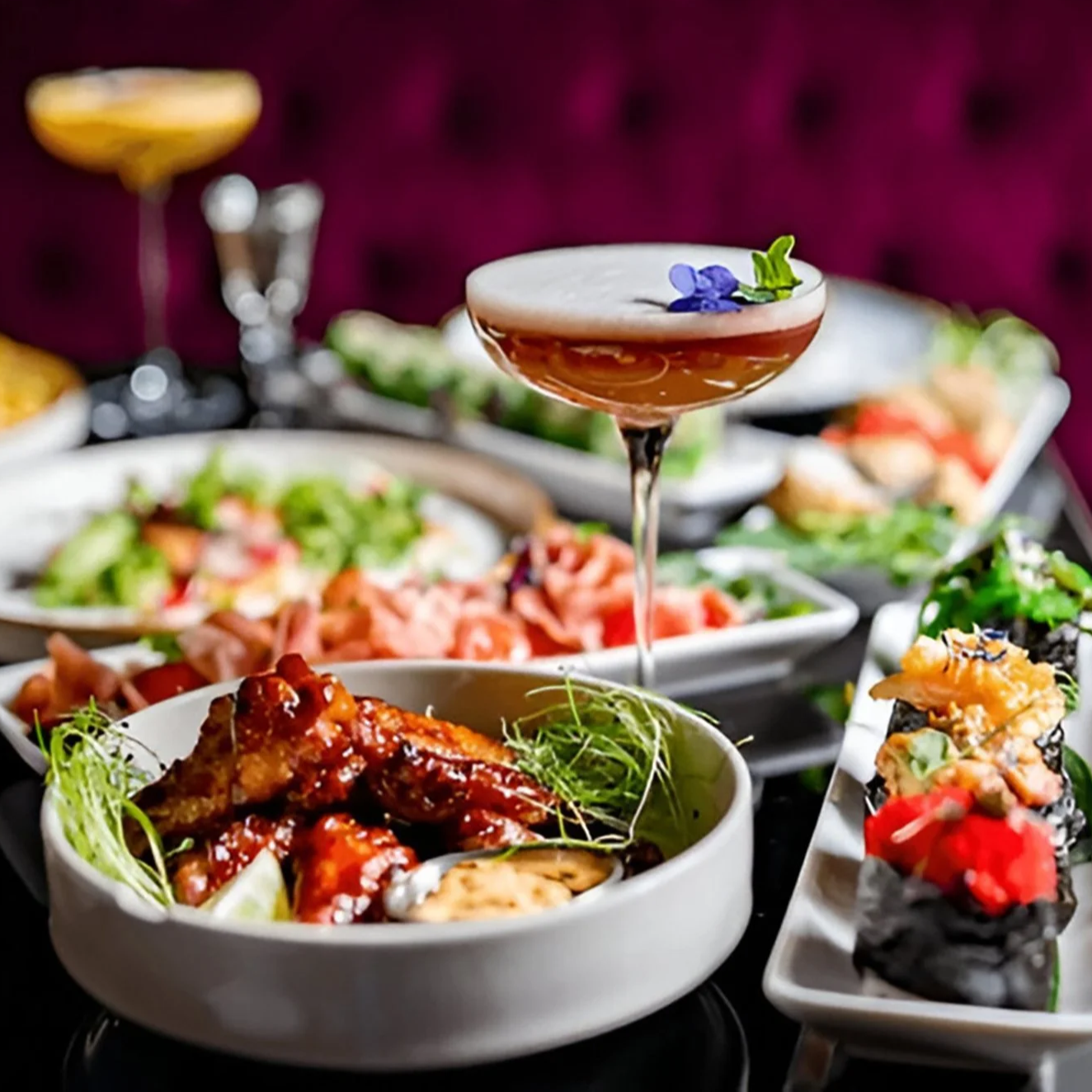
Many people notice the same pattern. After a stretch of restaurant meals — whether during a busy work season or while traveling — the scale creeps upward, even when the food choices seem reasonable.
Grilled fish. A salad. Vegetables on the side.
Nothing obviously indulgent.
Yet the calories can add up quickly.
The reason is simple: restaurant meals are designed for flavor, not calorie efficiency.
And that difference often means the same meal you might cook at home contains two to three times the calories when prepared in a restaurant kitchen.
“The same meal that feels perfectly reasonable at a restaurant can quietly double the calories of what you’d cook at home.”
Restaurants aren't trying to sabotage anyone’s health. Their job is to make food taste exceptional so guests leave happy and want to return. To do that, chefs rely on techniques that dramatically enhance flavor — and those techniques almost always add calories.
Restaurants Cook for Flavor First
At home, most of us cook with a fairly practical goal: make something that tastes good and feels reasonably balanced.
Restaurants operate with a different priority.
Every dish needs to be rich enough, satisfying enough, and memorable enough to stand out.
To achieve that, chefs commonly use:
✻ more butter
✻ more cooking oil
✻ richer sauces
✻ more aggressive seasoning with salt and sugar
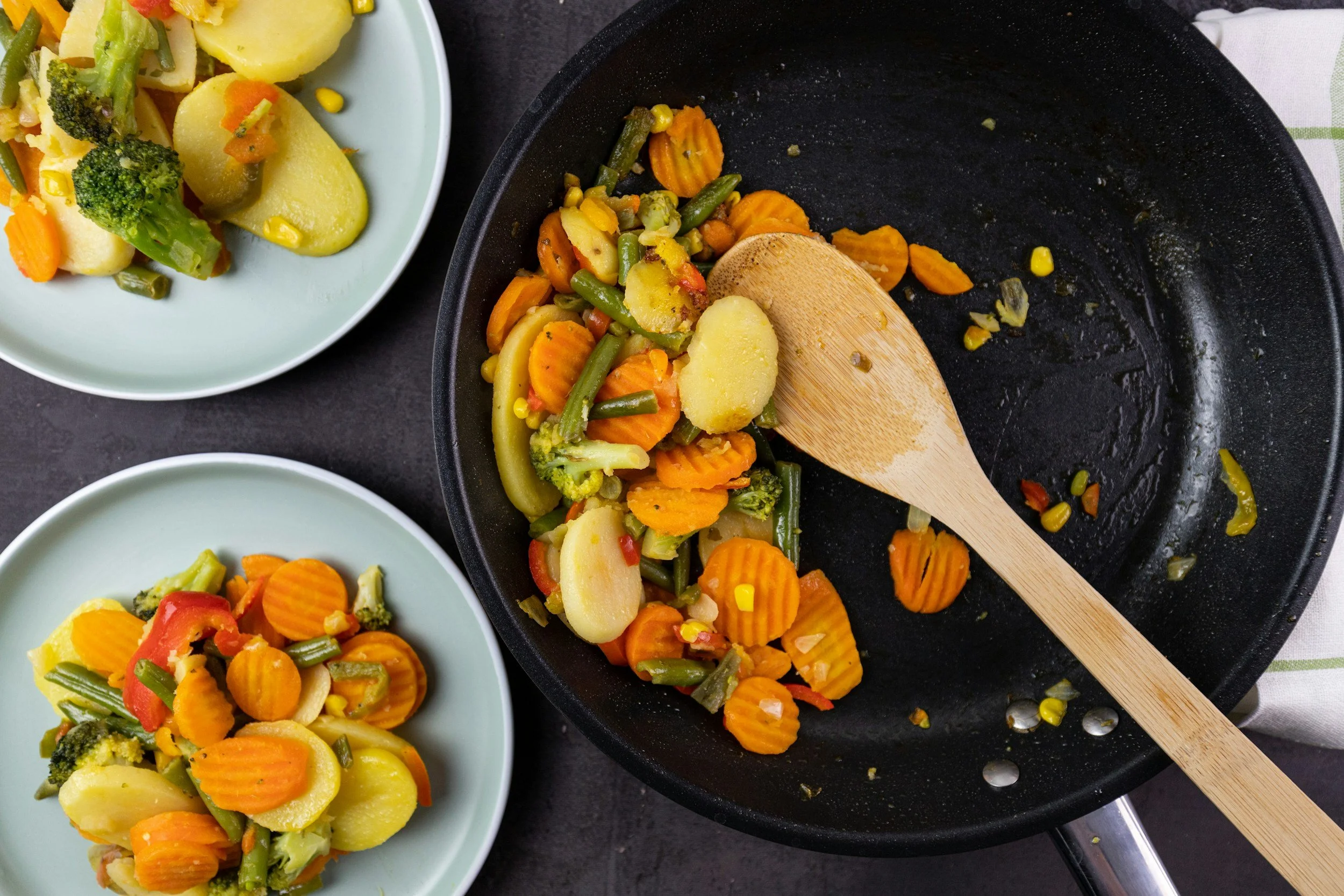
Even vegetables, which many people assume are automatically healthy, are often sautéed generously in oil or butter rather than simply roasted or steamed.
These ingredients aren't mistakes. They're tools that create the depth of flavor people expect when they dine out.

The “Finishing Fat” That Changes Everything
One of the most common techniques used in restaurant kitchens is something chefs call finishing fat.
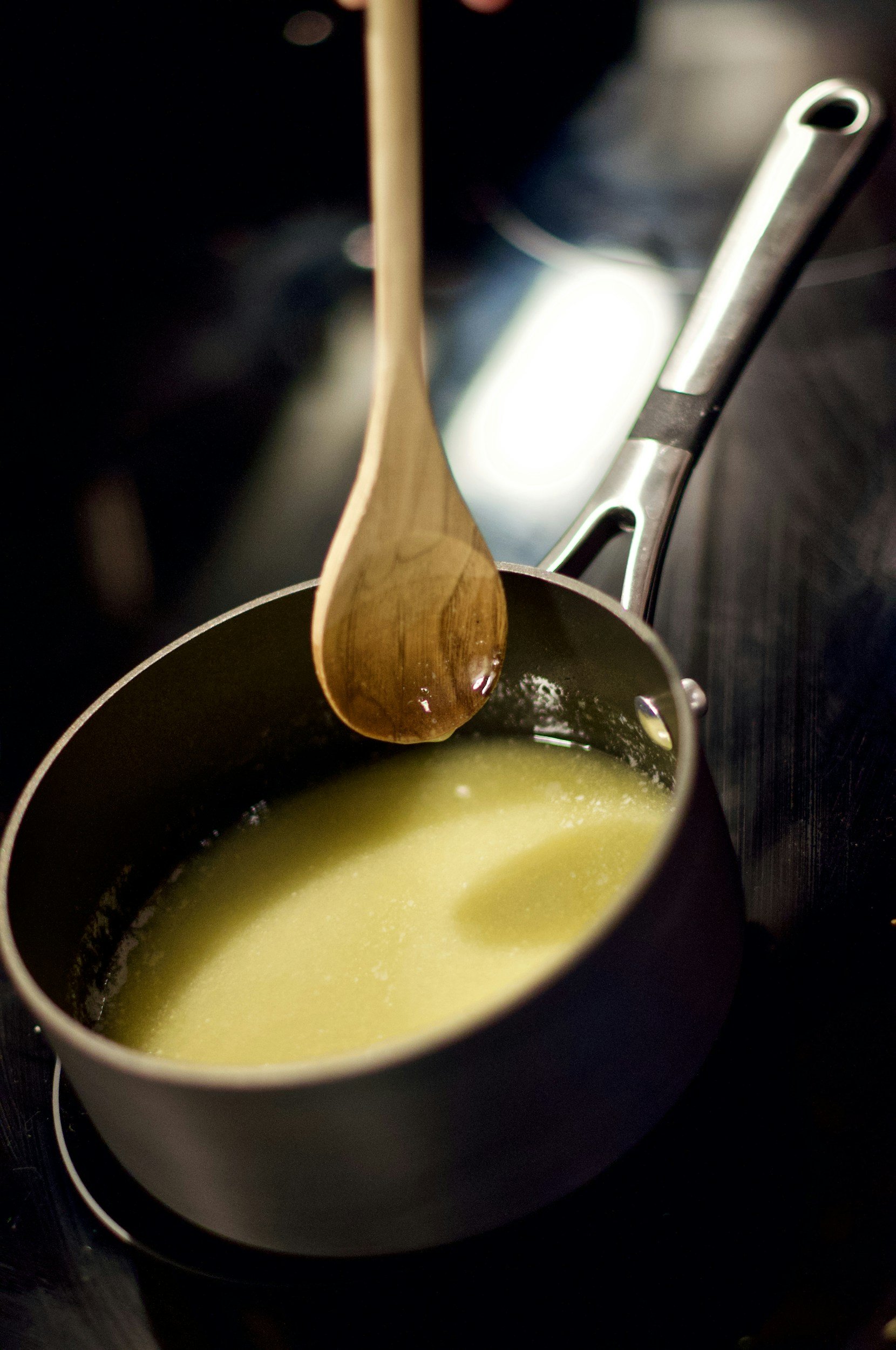
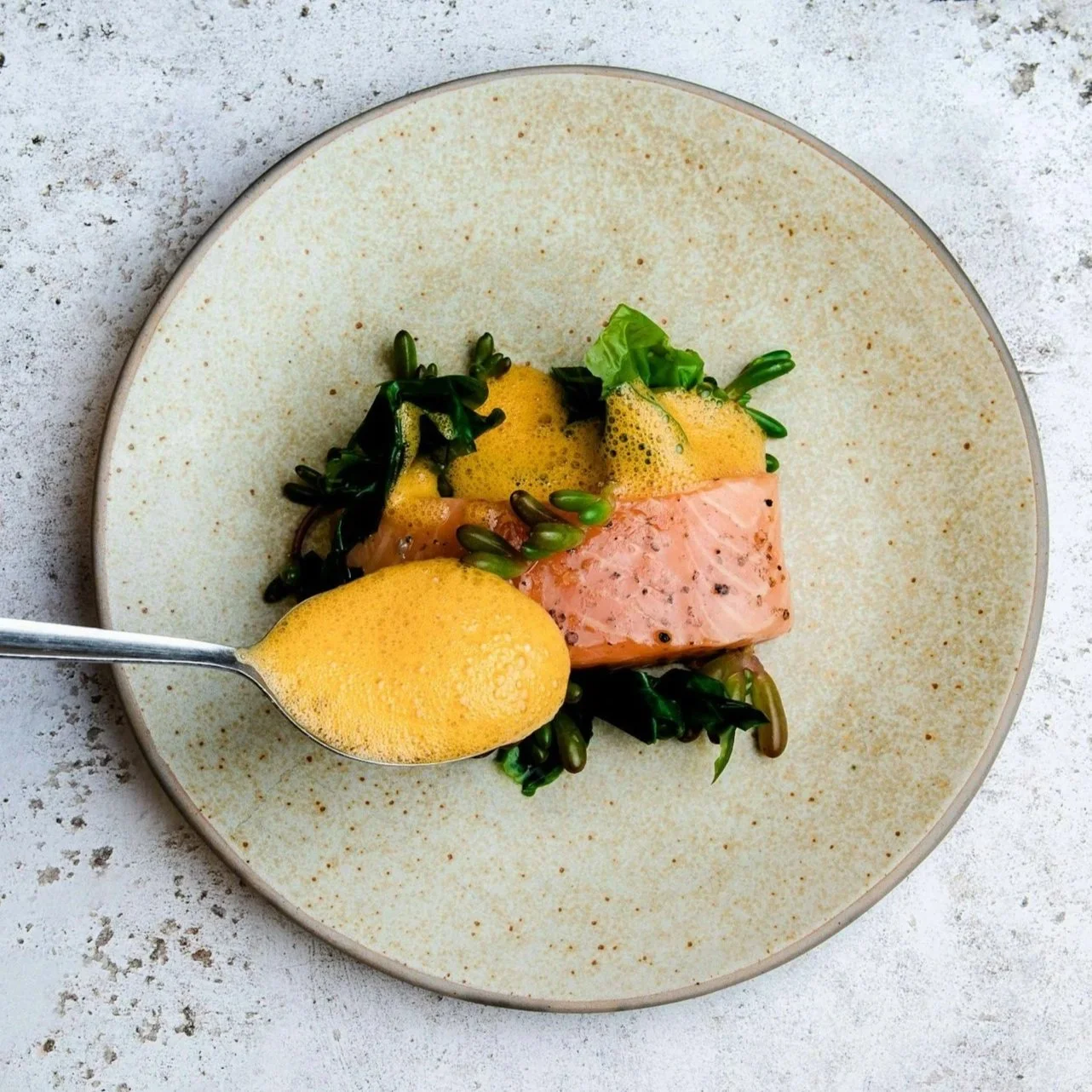
After a dish is cooked, a small amount of butter or oil is added just before serving. This final step gives the food a glossy appearance, richer texture, and deeper flavor.
It's one of the reasons restaurant food tastes so satisfying.
But it also adds calories quickly.
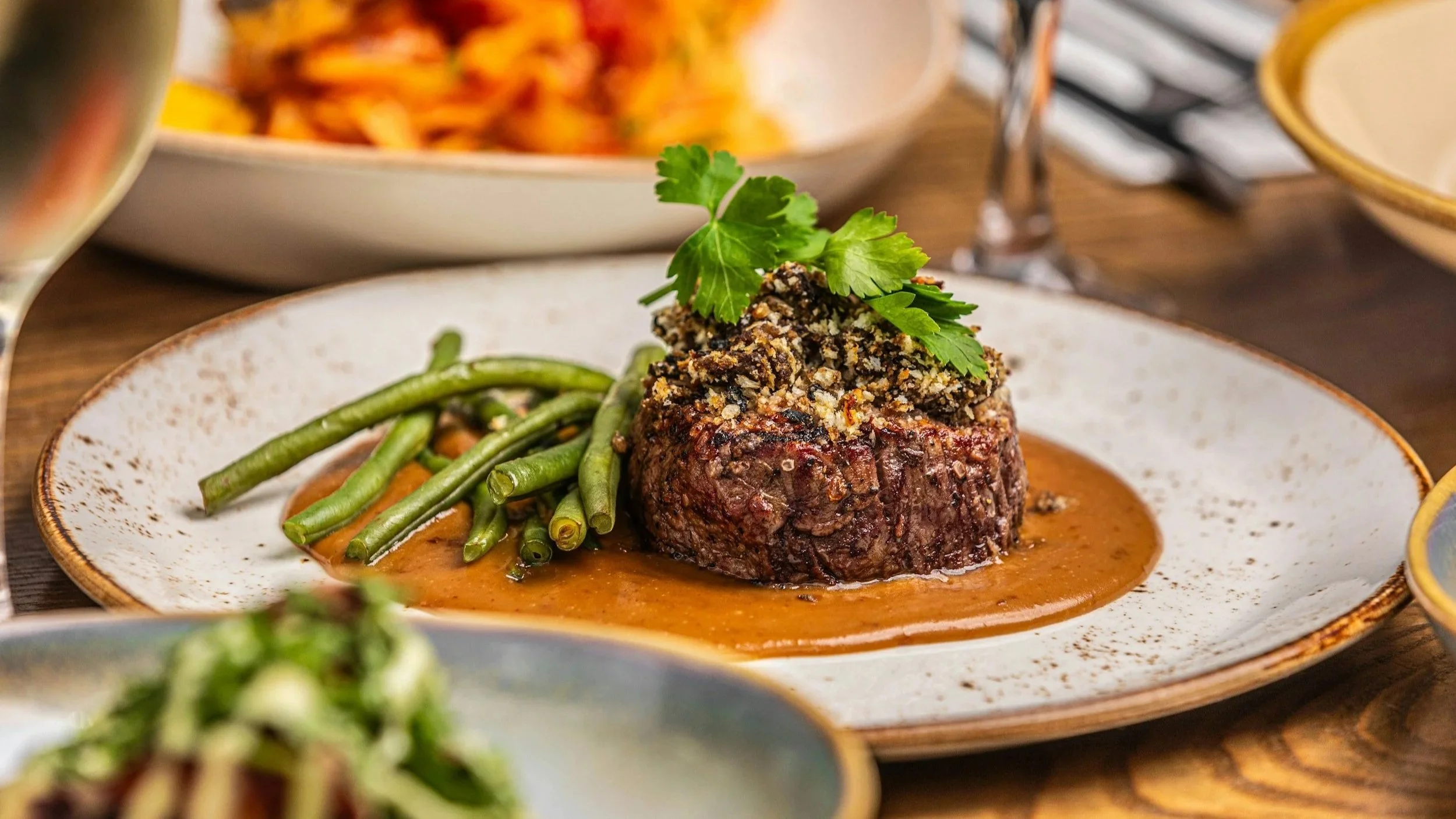
A single tablespoon of butter contains about 100 calories. When butter or oil is used during cooking and again at the end of a dish, those calories accumulate without being visible on the plate.
What looks like a simple serving of vegetables or pasta may have several tablespoons of added fat built into the preparation.
Portion Sizes Are Often Much Larger
The second major difference between restaurant meals and home cooking is portion size.
Restaurants tend to serve generous plates. A full entrée is often designed to feel abundant and satisfying, which means portions frequently exceed what most people would serve themselves at home.
A pasta dish that might contain 400 to 500 calories in a home kitchen can easily reach 900 to 1200 calories in a restaurant, especially once oil, cheese, and sauces are incorporated.
Even side dishes can become surprisingly calorie-dense.
Green beans sautéed in oil and butter, for example, can contain several hundred calories — far more than the same vegetable prepared simply at home.
Why This Difference Matters More in Midlife
Many people notice the effects of restaurant meals more clearly as they move into midlife.
In earlier decades, higher activity levels and naturally higher metabolism often balanced occasional high-calorie meals.
But several subtle shifts occur over time.
Muscle mass gradually declines unless we actively maintain it through strength training. Metabolism slows modestly. Blood sugar swings can become more noticeable.
None of these changes are dramatic on their own, but together they mean that calorie-dense restaurant meals can have a larger impact than they once did.
A few meals out may not have mattered much in our thirties.
In our fifties, the same pattern can quietly accumulate.
Understanding the Difference
Restaurant meals aren't inherently unhealthy. In fact, some of the best meals people enjoy happen in restaurants.
But restaurants and home kitchens are designed with different priorities.
At home, we typically cook with an eye toward balance and simplicity.
Restaurants cook with an eye toward flavor, richness, and consistency.
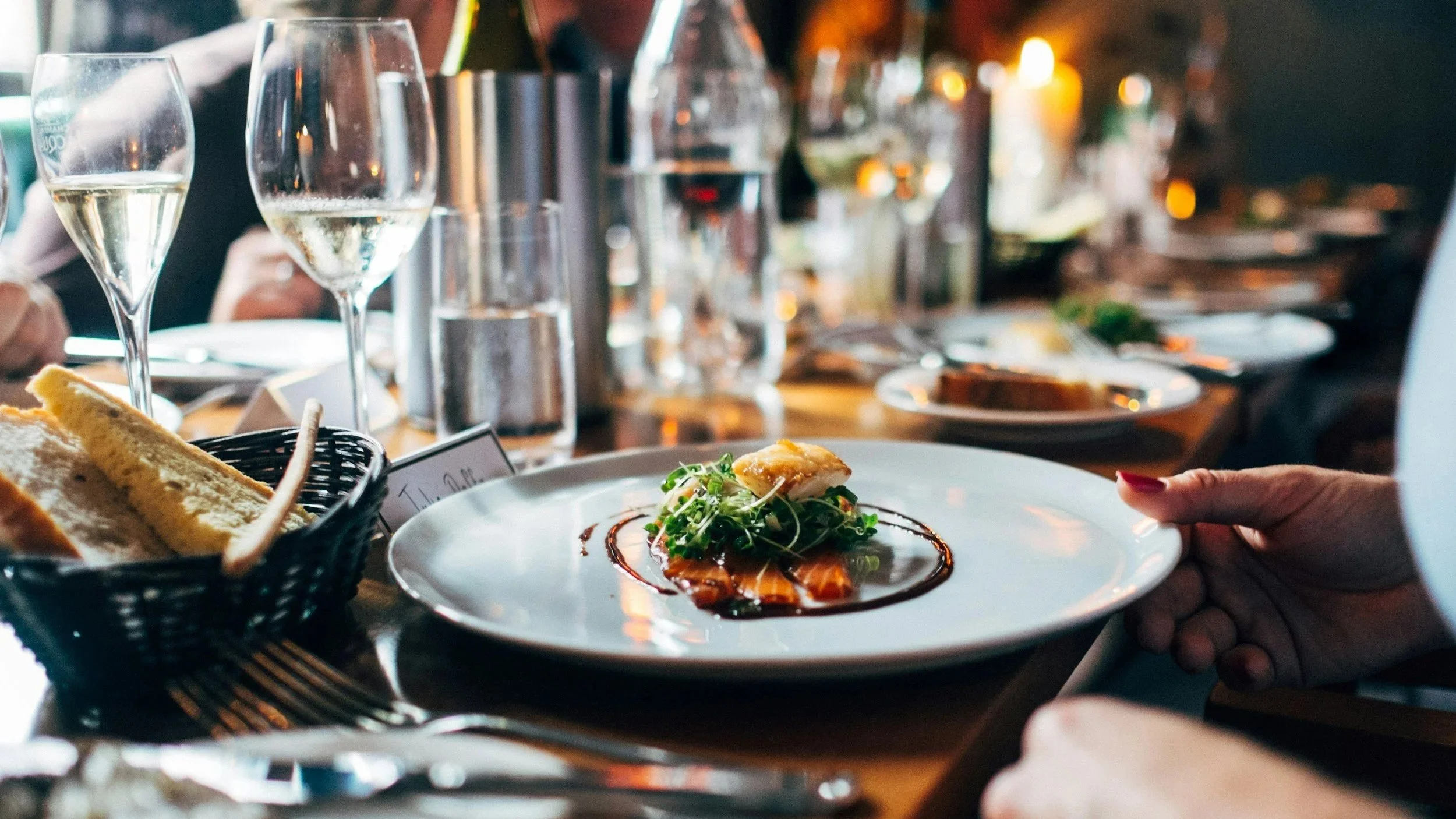
Understanding that difference helps explain why the same meal prepared in two kitchens can look similar on the plate — yet contain dramatically different calorie totals.
And once you understand how restaurant meals are built, it becomes much easier to make choices that work for your body without giving up the pleasure of eating out.
