
How to Eat on Vacation Without Gaining Weight
Vacation meals don’t have to mean coming home heavier than when you left
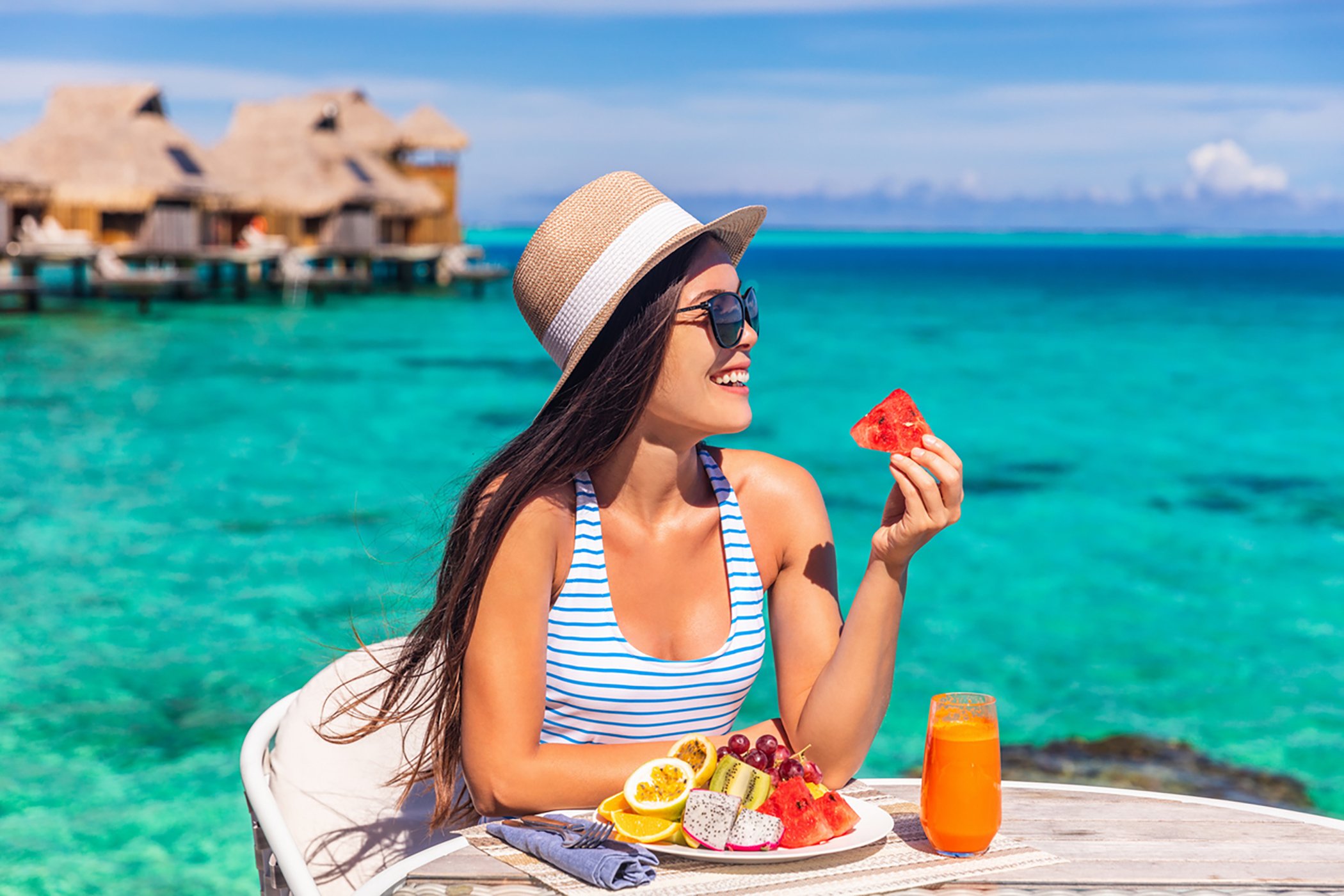
For years, eating out four nights a week felt completely normal to me.
During my working years, it often seemed like the easiest solution after a long day. By the time evening arrived, the last thing I wanted to do was figure out what to cook, stop at the grocery store, and then clean the kitchen afterward.
Restaurants solved the problem.
Dinner could appear on the table with no planning, no dishes, and no decisions left to make.
But somewhere in midlife I began noticing something curious.
Whenever we traveled — which often meant eating every meal in restaurants for several days — the scale almost always crept upward. What surprised me was that I was choosing carefully. Grilled fish. Salads. Vegetables. Nothing obviously indulgent.
It turns out the issue often isn't the choices we make in restaurants — it's how restaurant meals are prepared in the first place.
Restaurant kitchens are designed to maximize flavor, which often means more butter, more oil, richer sauces, and larger portions than most of us would use at home. (We explore that in more detail in Why Restaurant Food Has So Many Calories Compared to Home Cooking.)
Once you understand that difference, eating well on vacation becomes much easier to navigate.
The Vacation Pattern Most of Us Fall Into
Vacations change our routines in small but important ways.
We eat out more often — sometimes every meal for several days in a row. Portions are larger. Desserts and cocktails appear more frequently. And the structure of a normal week disappears.
None of this is inherently bad. Food is part of the joy of travel.
But when every meal happens in a restaurant kitchen designed for maximum flavor, the calories accumulate quickly — often without us realizing it.
Fortunately, a few simple habits make a big difference.
“Vacation meals are part of the joy of travel — the trick is knowing how restaurant food is built.”
Think of Restaurant Portions as Two Meals
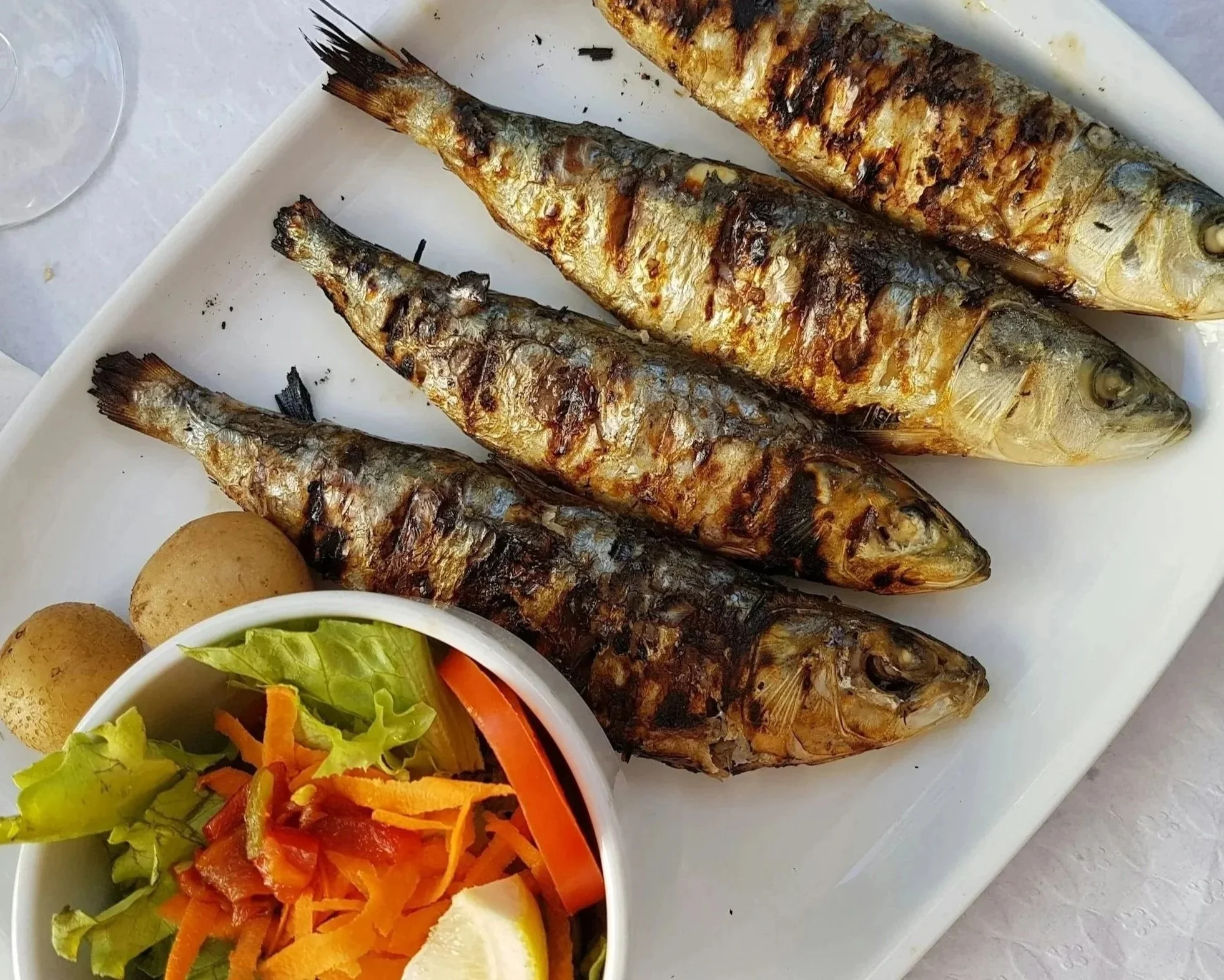
One of the easiest adjustments is simply recognizing that restaurant portions are often twice what we would serve at home.
Instead of finishing the entire plate automatically, many travelers find it helpful to think of a restaurant entrée as two meals.
A few ways to approach this:
✻ split an entrée with someone
✻ order an appetizer as your meal
✻ eat half and leave the rest
This simple shift alone can dramatically reduce the calorie load of a vacation week.
A Simple Vacation Eating Checklist
When most of your meals happen in restaurants, a few small habits can make a meaningful difference over the course of a trip.
✔ Think in half portions
Restaurant servings are often twice what we would serve at home. Consider splitting an entrée or leaving part of the plate.
✔ Watch the invisible calories
Sauces, oils, and dressings are where many restaurant calories hide. Ordering them on the side helps control how much is used.
✔ Start with protein
Meals built around fish, chicken, eggs, or steak tend to feel more satisfying and balanced than meals built around bread or pasta.
✔ Choose your indulgences intentionally
Vacation treats are part of the experience. The key is choosing the ones you truly want rather than ordering them automatically.
✔ Walk whenever possible
Exploring towns on foot, taking a stroll after dinner, or simply walking more during the day helps balance richer meals.
Pay Attention to the Invisible Calories
The most calorie-dense parts of restaurant meals are often the things we don't see.
Sauces, oils, and dressings can add hundreds of calories without changing the appearance of the dish very much.
A few small requests can make a meaningful difference:
✻ ask for dressings on the side
✻ request sauces served separately
✻ choose grilled or roasted preparations when possible
This doesn't eliminate richness entirely — but it puts you back in control of how much ends up on the plate.
Anchor Meals Around Protein
When meals begin with bread or refined carbohydrates, it's easy to continue eating even after you've had enough.
Starting with protein tends to create a more balanced meal.
On vacation menus, that often means:
✻ grilled fish
✻ chicken
✻ steak
✻ seafood
✻ eggs at breakfast
Pairing protein with vegetables or a salad often feels satisfying without leaving you overly full.
Choose Your Indulgences Deliberately
Vacation meals often include appetizers, cocktails, dessert — sometimes all three.
There's nothing wrong with any of those things. The key is simply being intentional.
Instead of ordering every indulgence automatically, choose the one that truly appeals to you.
That might be the dessert a restaurant is known for. Or the cocktail you’ve been wanting to try.
The point isn't restriction. It's selecting the experiences that are actually memorable.

Walk More Than You Normally Do
One of the quiet reasons many people maintain their weight while traveling in places like Europe is simple: they walk more.
Walking between shops, exploring neighborhoods, strolling after dinner — these small movements accumulate throughout the day.
Even light activity helps balance richer meals.
A short walk after dinner, in particular, can support digestion and help stabilize blood sugar.
The Real Secret to Vacation Eating
Vacations are meant to feel different from everyday life. Meals stretch longer, restaurants replace kitchens, and the rhythm of normal routines softens.
The goal isn’t to avoid those experiences. Some of the most memorable moments of travel happen around a table.
But understanding how restaurant meals are built — richer sauces, generous portions, extra finishing touches — makes it easier to enjoy them without feeling like the week followed you home on the scale.
A few thoughtful choices along the way are usually all it takes.
Because the best vacations leave you with memories, not extra baggage.
