
Why We Gain Weight on Vacation — Even When We're Trying Not To
Most adults gain one to two pounds during vacation periods — and many never fully lose it
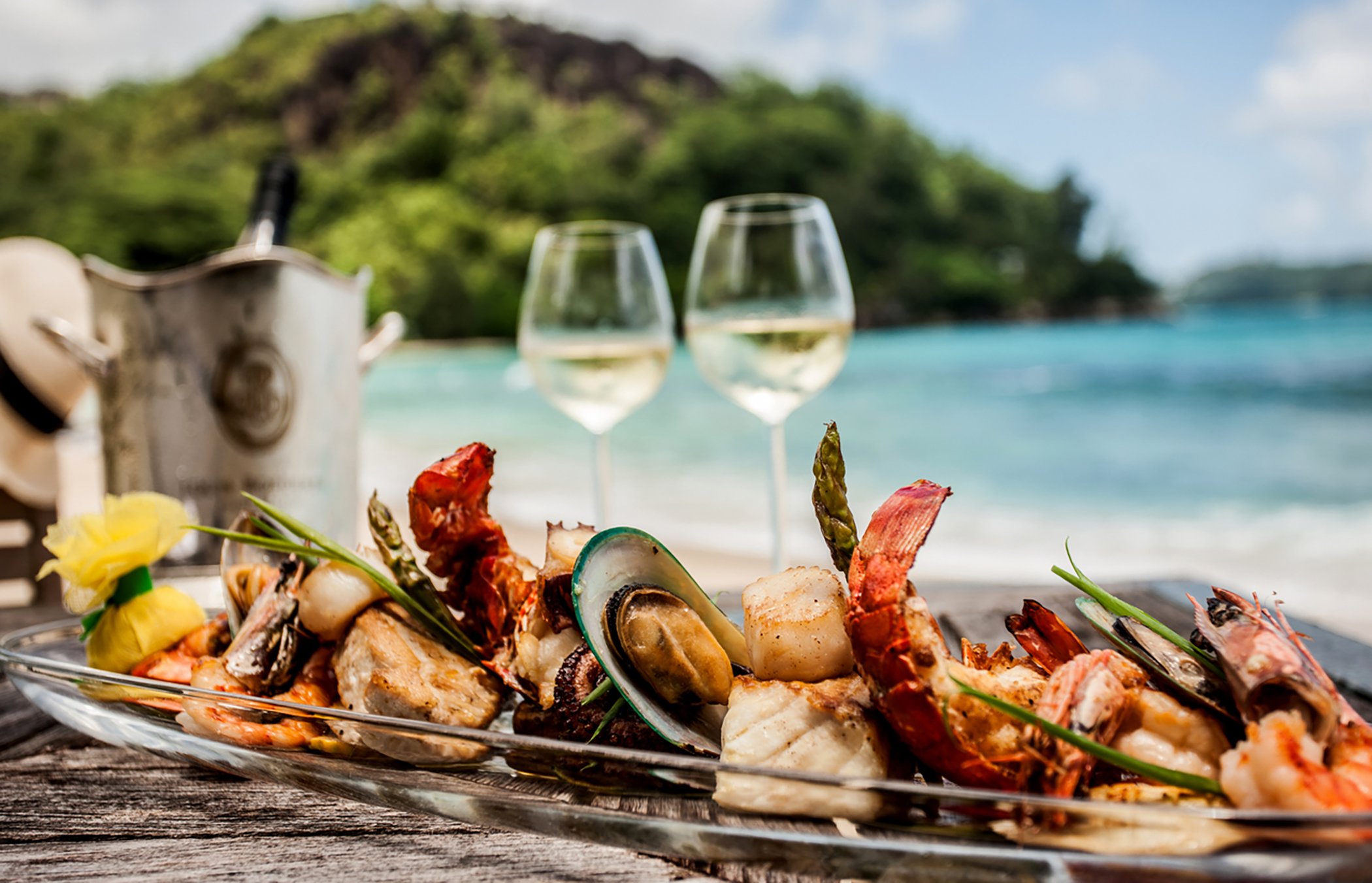
There’s a small but surprising pattern researchers have noticed about vacation eating.
Most adults gain one to two pounds during holiday or travel periods — and many never lose that weight afterward. Over time, those small increases quietly accumulate.
The reason usually isn’t a single indulgent meal. In fact, many people feel like they're eating reasonably well. It’s often the shift in routine that happens when we travel.
Vacations change how we eat, how much we move, and how often we sit down in planes, cars and restaurants.
And those small changes can add up faster than most people expect.
Restaurant Meals Become the Default
At home, most people eat a mix of home-cooked meals and occasional restaurant meals.
On vacation, that balance often flips.
Breakfast at a café. Lunch while exploring. Dinner out in the evening.
Restaurant kitchens are designed to maximize flavor, which often means more butter, oil, and richer sauces than most of us use at home.
Even meals that appear healthy can quietly contain two or three times the calories of the same dish cooked in a home kitchen.
(We explain this in more detail in Why Restaurant Food Has So Many Calories Compared to Home Cooking.)
Restaurant Portions Are Much Larger
Portion size is another reason people gain weight while traveling.
Restaurant servings are often two to three times larger than what we would typically plate for ourselves at home.
A pasta dish that might contain 400–500 calories when prepared at home can easily reach 900–1200 calories in a restaurant once oils, cheese, and sauces are added.
When every meal of the day comes from a restaurant kitchen, those differences accumulate quickly.

Vacation Routines Often Mean Less Movement
Travel also tends to disrupt normal activity patterns.
Long flights, car rides, and extended meals can replace the regular movement of daily life.
Even a modest decrease in activity — combined with richer meals — can shift the balance of calories in versus calories burned.
Over several days, that imbalance becomes noticeable.
Treats Appear More Often
Vacation also changes how often we say yes to indulgences.
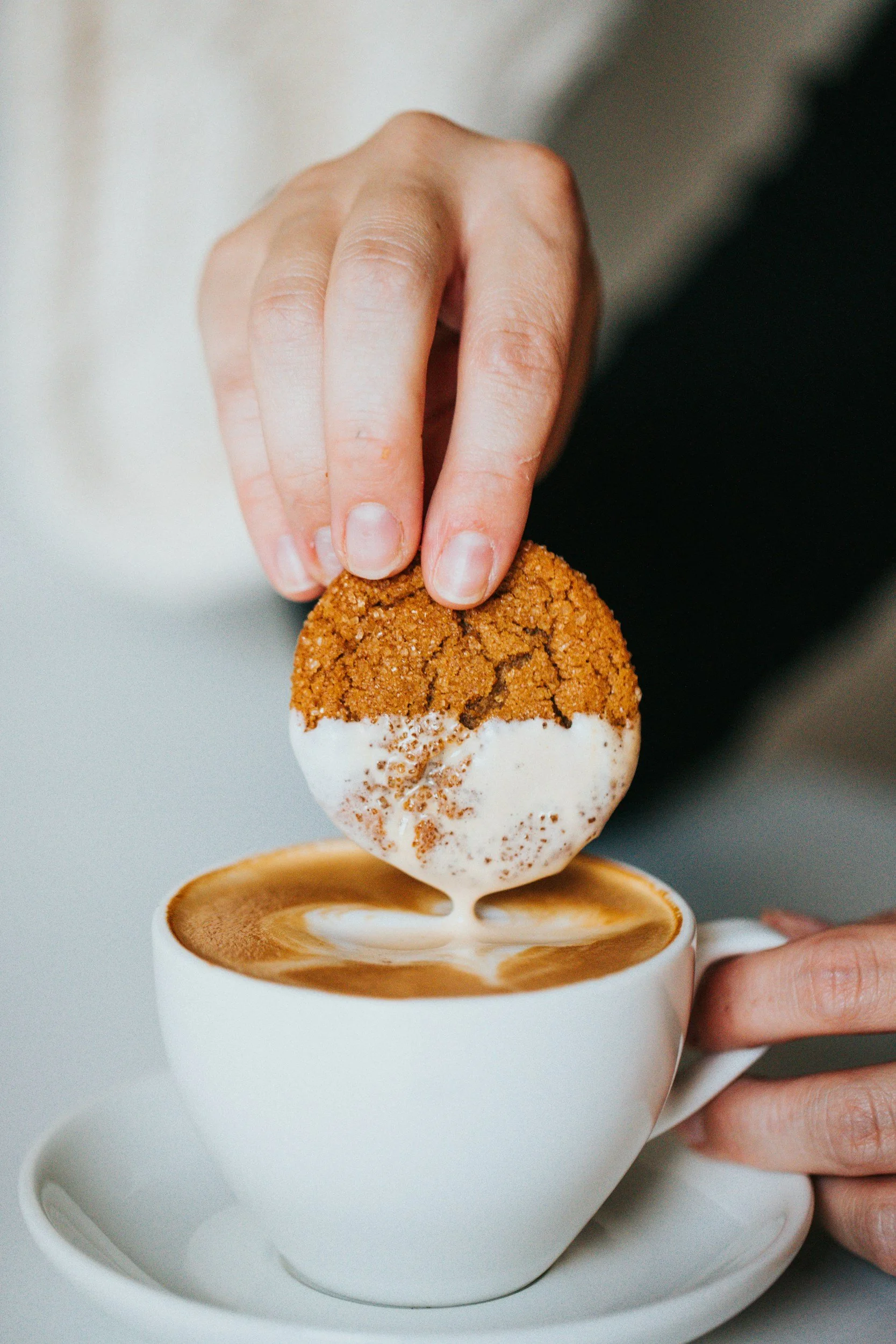
Cocktails at sunset. Dessert at the restaurant everyone recommended. A pastry with morning coffee.
None of these are unusual on their own.
But when they appear multiple times per day for several days, they can quietly add hundreds — sometimes thousands — of additional calories to the week.



Small Gains Add Up Over Time
The interesting thing about vacation weight gain is that it’s usually small.
One or two pounds may not seem like much.
But if those gains occur during several travel or holiday periods throughout the year — and are never fully lost afterward — they can slowly accumulate.
For many people, that gradual pattern explains why weight changes often feel mysterious.
The Real Takeaway
Vacations are meant to feel different from everyday life, and food is part of that experience.
The goal isn’t avoiding restaurant meals or special treats.
It’s simply understanding that vacation routines naturally include more restaurant meals, larger portions, and richer foods than we typically eat at home.
Once you recognize that pattern, it becomes much easier to enjoy travel while keeping your habits balanced.
If you’re curious about how restaurant meals become so calorie-dense, we explore that in Why Restaurant Food Has So Many Calories Compared to Home Cooking.
And if you're planning a trip, you might also like How to Eat on Vacation Without Gaining Weight.
