
7 Hidden Endocrine Disruptors You Touch Every Day
The small, everyday exposures that quietly add to your hormone burden — and simple ways to reduce them.

Most of us think about endocrine disruptors in our beauty products.
But some of the most consistent hormone-disrupting exposures don’t come from what we put on our skin. They come from the everyday items we handle without a second thought.
For women in midlife — when estrogen and progesterone are already shifting — these small, repeated exposures can matter more than they once did. The goal isn’t perfection. It’s awareness and a few simple changes where they make the biggest difference.
Here are seven hidden endocrine disruptors you may be encountering every day.
1. Thermal Paper Receipts
Many store and restaurant receipts are printed on thermal paper coated with BPA or BPS, chemicals that can interfere with hormone signaling.
Because the coating sits on the surface, it transfers easily to your skin — especially if your hands are warm, damp, or recently treated with hand sanitizer or lotion.
What helps:
Choose email receipts when possible and wash your hands before eating after handling paper receipts.
2. Plastic Food Containers (Especially with Heat)
Many plastics contain BPA or phthalates, which can migrate into food when containers are heated or used with hot liquids.
What helps:
Avoid microwaving food in plastic. Switch to glass or stainless steel for reheating and storage.
3. Canned Foods
The lining of many cans contains BPA-based resins that can leach into food, particularly acidic items like tomatoes or soups.
What helps:
Look for BPA-free cans when available or choose fresh or frozen alternatives.
4. Fragrance (Personal Care and Home)
The single word “fragrance” on a label can hide dozens of chemicals, including phthalates — known endocrine disruptors.
Common sources include:
✻ Perfume and body products
✻ Scented lotions and shampoos
✻ Laundry detergents
✻ Candles and air fresheners
What helps:
Choose fragrance-free products whenever possible.
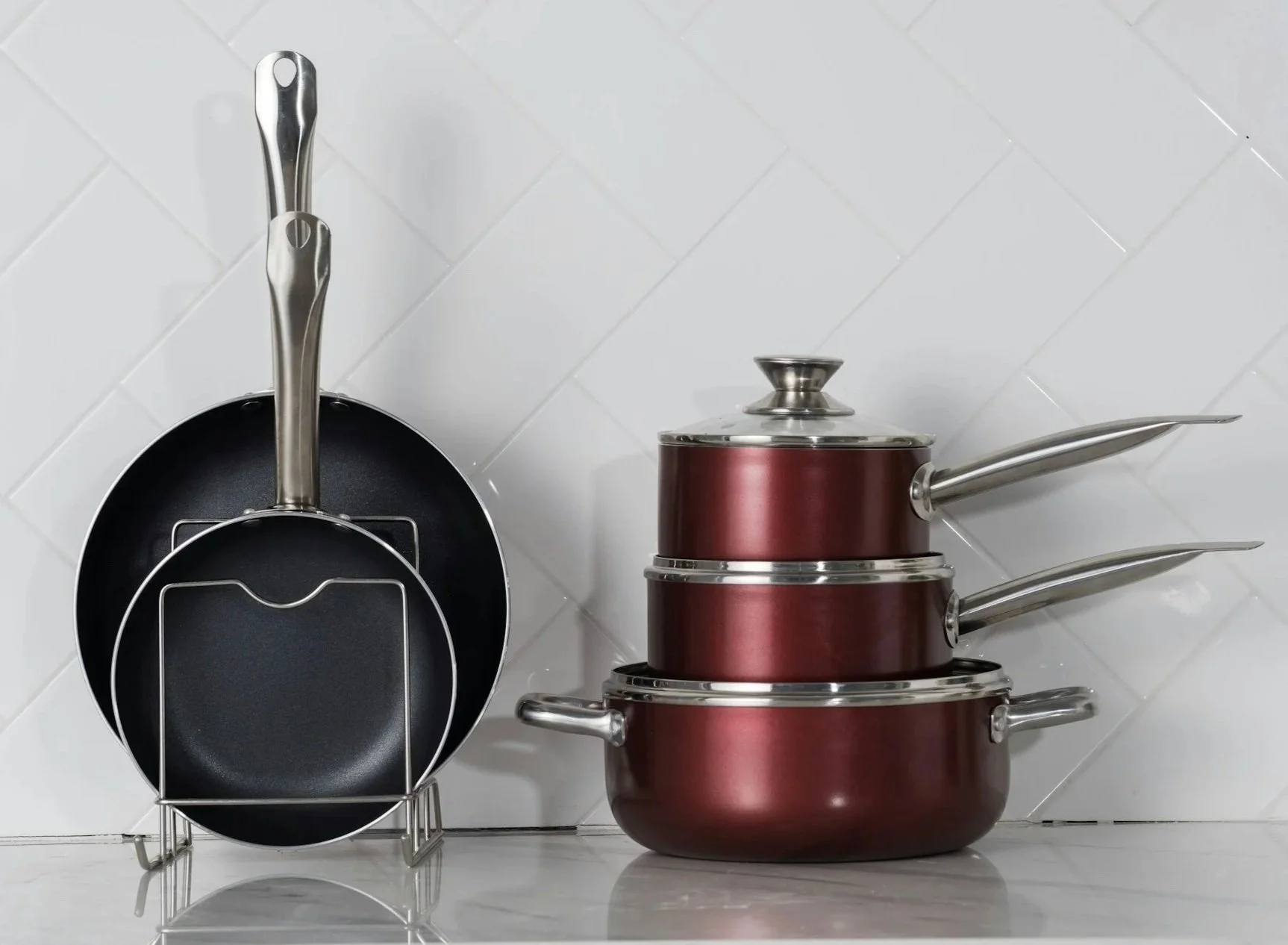
5. Older or Damaged Nonstick Cookware
Some nonstick surfaces contain PFAS, often called “forever chemicals,” which have been linked to hormone and thyroid disruption.
What helps:
Replace scratched or worn nonstick pans and avoid overheating coated cookware.
6. Household Dust
It’s easy to overlook, but indoor dust can contain accumulated flame retardants, PFAS, and plasticizers from furniture, electronics, and treated fabrics.
What helps:
Regular vacuuming (with a HEPA filter if possible) and damp dusting reduce buildup.
7. Reusable Plastic Water Bottles
Over time — especially when exposed to heat — plastic bottles can release microplastics and hormone-disrupting chemicals.
What helps:
Choose stainless steel or glass for everyday use and avoid leaving plastic bottles in hot cars.

The Midlife Perspective
None of these exposures alone is likely to change your health.
But endocrine disruptors rarely come from one source. They come from small contacts throughout the day — a receipt here, a scented product there, a container, a bottle, a surface.
Together, they create what researchers call a cumulative hormone burden.
In midlife, when your body’s own hormone signals are quieter and less stable, reducing that background noise can help your system stay more balanced.
This isn’t about eliminating everything.
It’s about noticing where small changes are easy — and letting those choices add up.
To learn more about endocrine disruptors, read Why You’re Suddenly Sensitive to Everything in Midlife
