
Why You’re Suddenly Sensitive to Everything in Midlife
How hormone changes and cumulative “exposure load” affect your tolerance to products, fragrance, alcohol, and stress.

For most of my life, my body was remarkably cooperative.
I could switch skincare products without thinking. Try a new detergent. Burn a scented candle. Have a glass of wine. Stay up late and recover the next day.
If something bothered me, it was temporary.
Then, somewhere in my 40s, the margin changed.
Fragrances started to feel overwhelming.
Sleep became lighter.
Alcohol affected me more than it used to.
Products I had used for years suddenly irritated my skin.
Nothing dramatic. Just a growing sense that my system had become… less forgiving.
It’s a quiet shift many women notice but rarely talk about:
Why does everything suddenly affect me more?
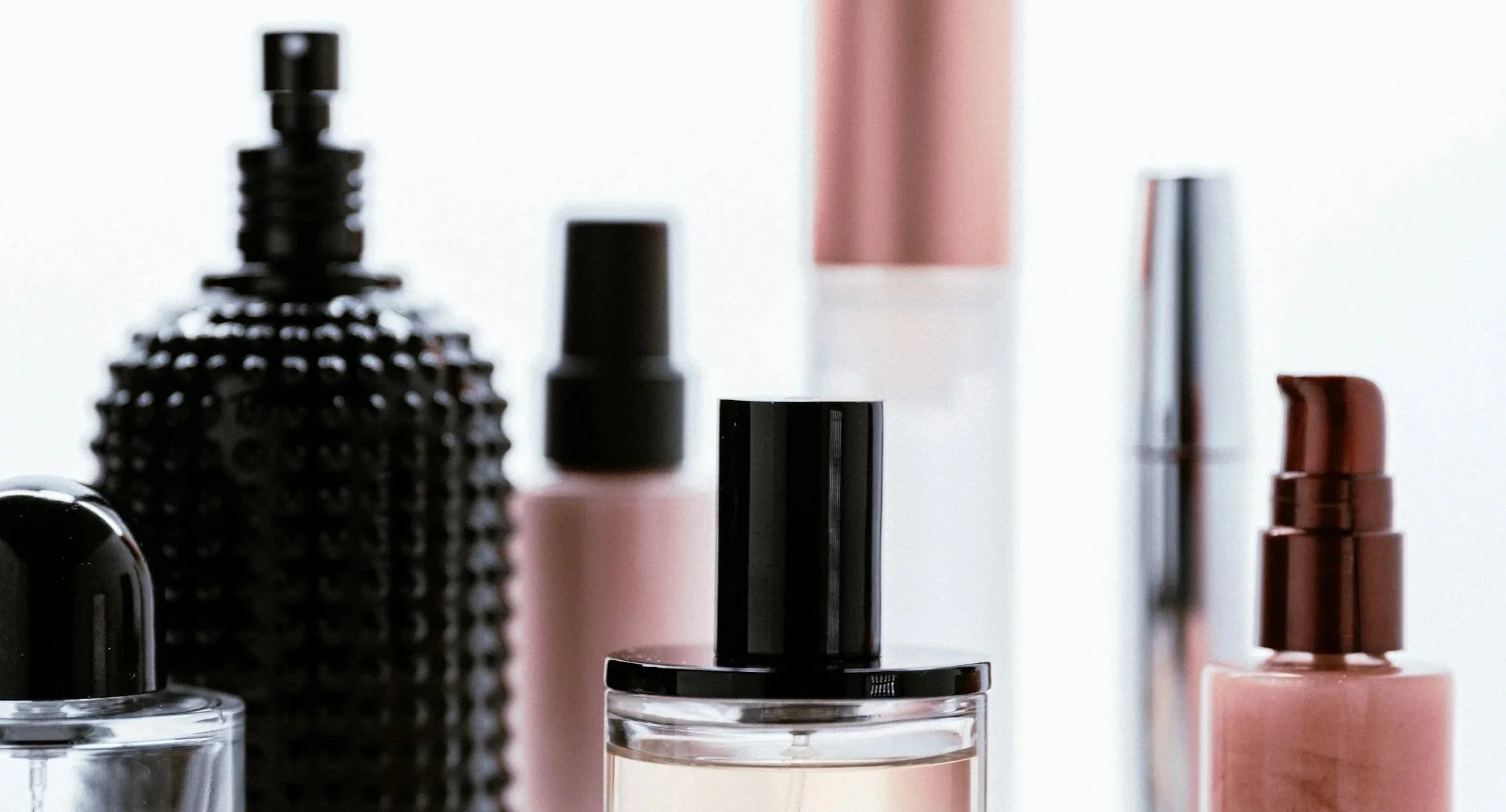
The Midlife Sensitivity Shift
During our reproductive years, estrogen and progesterone provide relatively strong, steady hormonal signals.
In perimenopause and menopause:
✻ Estrogen fluctuates and gradually declines
✻ Progesterone drops earlier and more dramatically
✻ Hormone levels become less stable overall
These hormones don’t just regulate reproduction. They influence:
✻ The nervous system
✻ Inflammation
✻ Skin barrier function
✻ Sleep regulation
✻ Detox and liver activity
✻ How the brain processes sensory input
As hormone levels shift, the body’s ability to buffer stress — chemical, environmental, and emotional — can change.
Think of it this way:
When your internal signal is strong, your system can absorb more background noise.
When that signal becomes quieter, the noise feels louder.
Why Everyday Products Suddenly Matter
This is why midlife women often notice new sensitivity to:
✻ Fragrance in personal care or cleaning products
✻ Alcohol or caffeine
✻ Skincare and cosmetics
✻ Temperature changes
✻ Stress or lack of sleep
It’s not that these things suddenly became harmful.
It’s that your system no longer has the same cushion it once did.
Small inputs create bigger responses.
The Role of Hormone Disruptors
Another factor that becomes more relevant in midlife is cumulative exposure to endocrine disruptors — chemicals that can mimic or interfere with hormone signals.
These are found in everyday items like:
✻ Plastics and food containers
✻ Fragrance and personal care products
✻ Household cleaners
✻ Nonstick cookware
✻ Thermal paper receipts
When your body is already working with lower and less stable hormone levels, even small external influences can carry more weight.
If you’d like a quick overview, here are 7 hidden endocrine disruptors you touch every day.
This Isn’t Your Body Failing
One of the most important reframes of midlife is this:
Increased sensitivity isn’t weakness.
It’s feedback.
Your body is becoming more responsive to what supports you — and what doesn’t.
For many women, this awareness leads naturally to small shifts:
✻ Choosing fragrance-free products
✻ Simplifying skincare
✻ Reducing plastic and heat exposure
✻ Being more selective about alcohol, sleep, and stress
Not out of fear.
Out of alignment.
The New Margin
Midlife doesn’t mean your body is fragile.
It means the margin for error is smaller — and the feedback is clearer.
And that clarity, while sometimes inconvenient, can become something powerful:
A guide to what helps you feel steady, rested, and like yourself again.
