
Still Storing Alternate Lives in Your Closet: The Smarter Spring Edit
4 steps to declutter your closet when you’re still figuring yourself out

Let me explain why my closet is packed. It’s not laziness. It’s not disorganization.
It’s transition.
First, I’m no longer corporate — but I’m definitely not ready for the Chico’s ensembles either. (No offense, Chico’s. I’m just not there yet.) I’m somewhere in between power blazers and elastic waistbands, and apparently my closet thinks I need options for both.
Second, my career isn’t the only thing shifting. My body is doing its own midlife negotiation. Menopause changes are real, and I’m not entirely sure where everything is going to net out. Which makes it difficult to commit. Do I release the tailored sheath? Do I keep the structured trousers? What if this is just temporary?
And — perhaps the most honest — I’m holding on to things because they hold memories. Or aspirations. Or a receipt that still makes me wince.
Some pieces remind me of who I was.
Some whisper, “This will look good again.”
Some were expensive enough that letting them go feels mildly irresponsible.
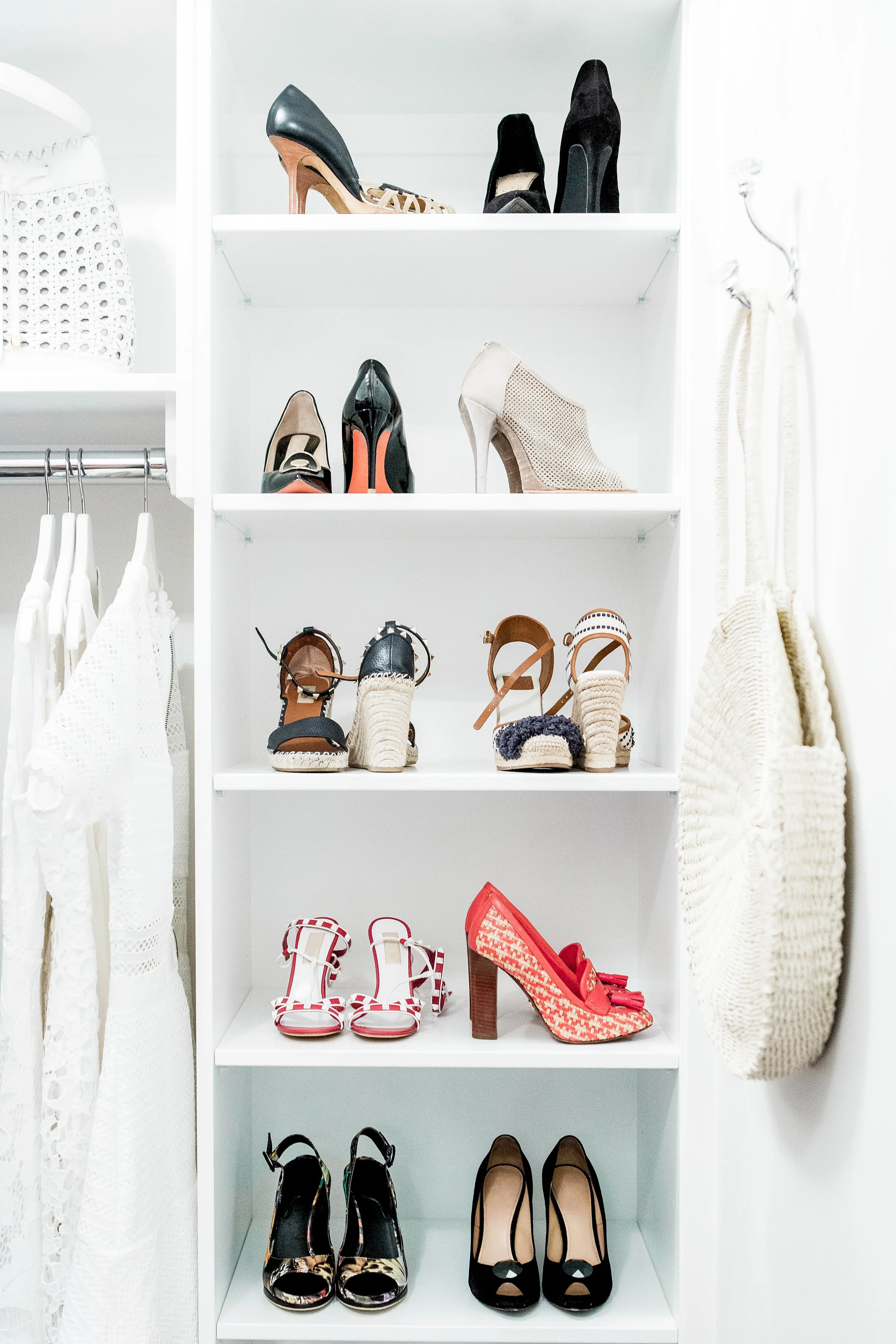
And then there are the shoes.
The beautiful, architectural, once-perfect shoes that I could wear for hours without thinking — and now feel like medieval restraint devices. I don’t know when that happened. But it did.
So yes. My closet is full.
Not because I need more clothes.
Because I’m in between versions of myself.
And that’s actually where many women find themselves in midlife — no longer who they were, not quite certain who they’re becoming. The question isn’t whether we’re allowed to experiment.
It’s whether our closets need to store every version of that experiment.
The Transition Closet Challenge
When your career is shifting, your body is renegotiating and your social calendar doesn’t look like it used to, we tend to want to hold on to options.
Options feel safe. Options feel prepared. Options feel like control.
But too many options create friction. And friction is what makes getting dressed feel harder than it should.
So instead of asking, “What should I get rid of?”
Ask something better:
What am I actually dressing for right now? The goal it’s to make space for the one who is actually getting dressed each morning.
Here are four practical ways to edit your closet without the drama.
Step One: The “Would I Wear This Tomorrow?” Test
Pick up an item and ask:
Would I wear this tomorrow if the weather and occasion were right?
Not:
✻ “Could I wear this if I lost five pounds?”
✻ “Might this work for a very specific event that hasn’t happened in seven years?”
✻ “Was this expensive?”
Just tomorrow.
If the answer is no, that’s information.
Step Two: Eliminate the Aspirational Personalities
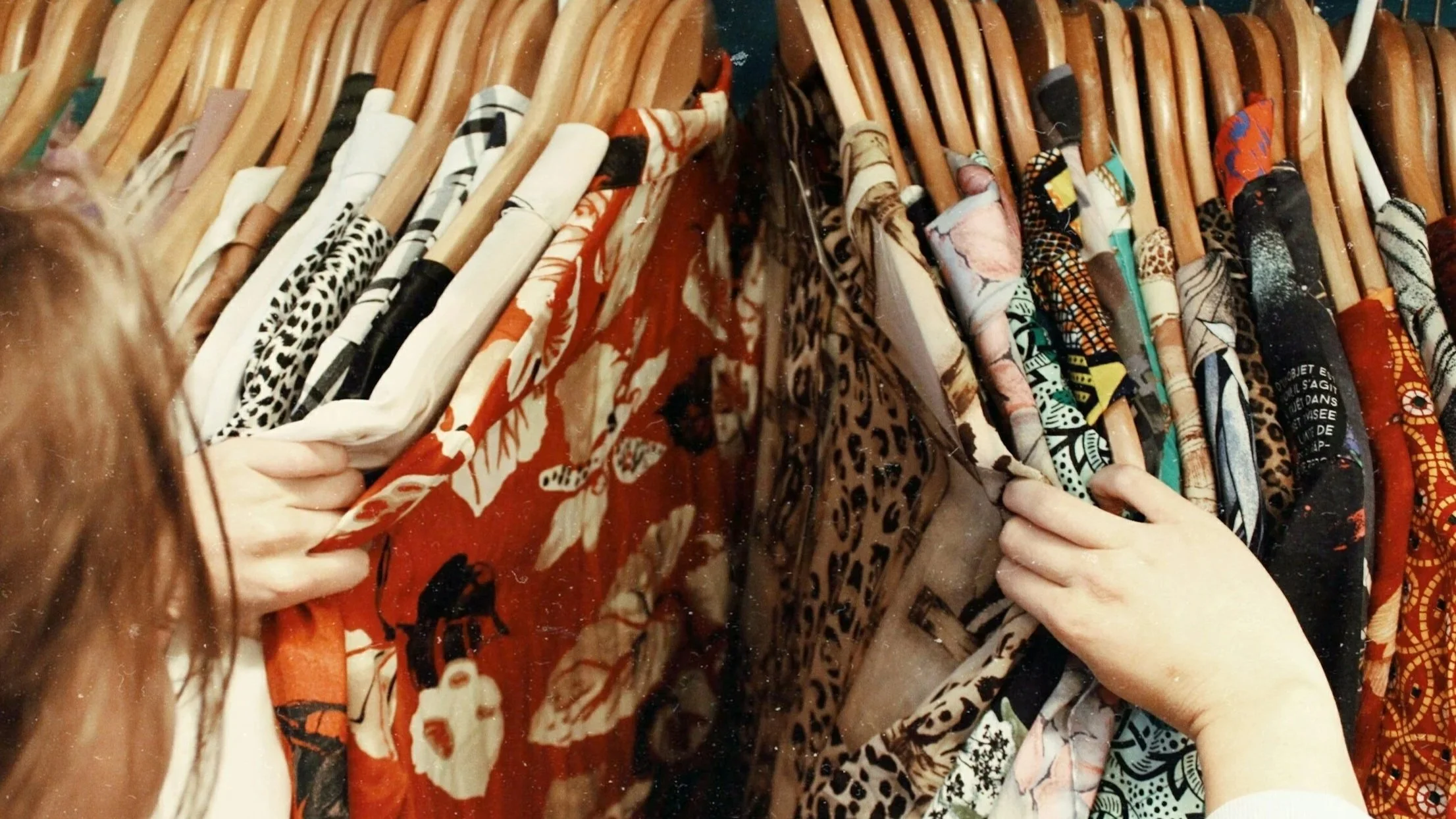
A closet that contains multiple aspirational personalities can feel overwhelming.
Ask yourself if you really need a look for the:
Corporate Power Executive
Coastal Bohemian Artist
European Minimalist in Head-to-Toe Linen
…unless you are actively living those lives.
Exploration is allowed, but full wardrobes for imaginary versions of yourself may be taking up too much space.
Choose the woman you are now.
Let the other characters retire gracefully.
Step Three: Release the “Right Moment” Myth
If you haven’t worn it in three years, it is not “waiting for the right moment.”
It is waiting for a donation bag.
Clothes rarely become more relevant with time.
They become dated. Or costume. Or clutter.
None of those serve you.
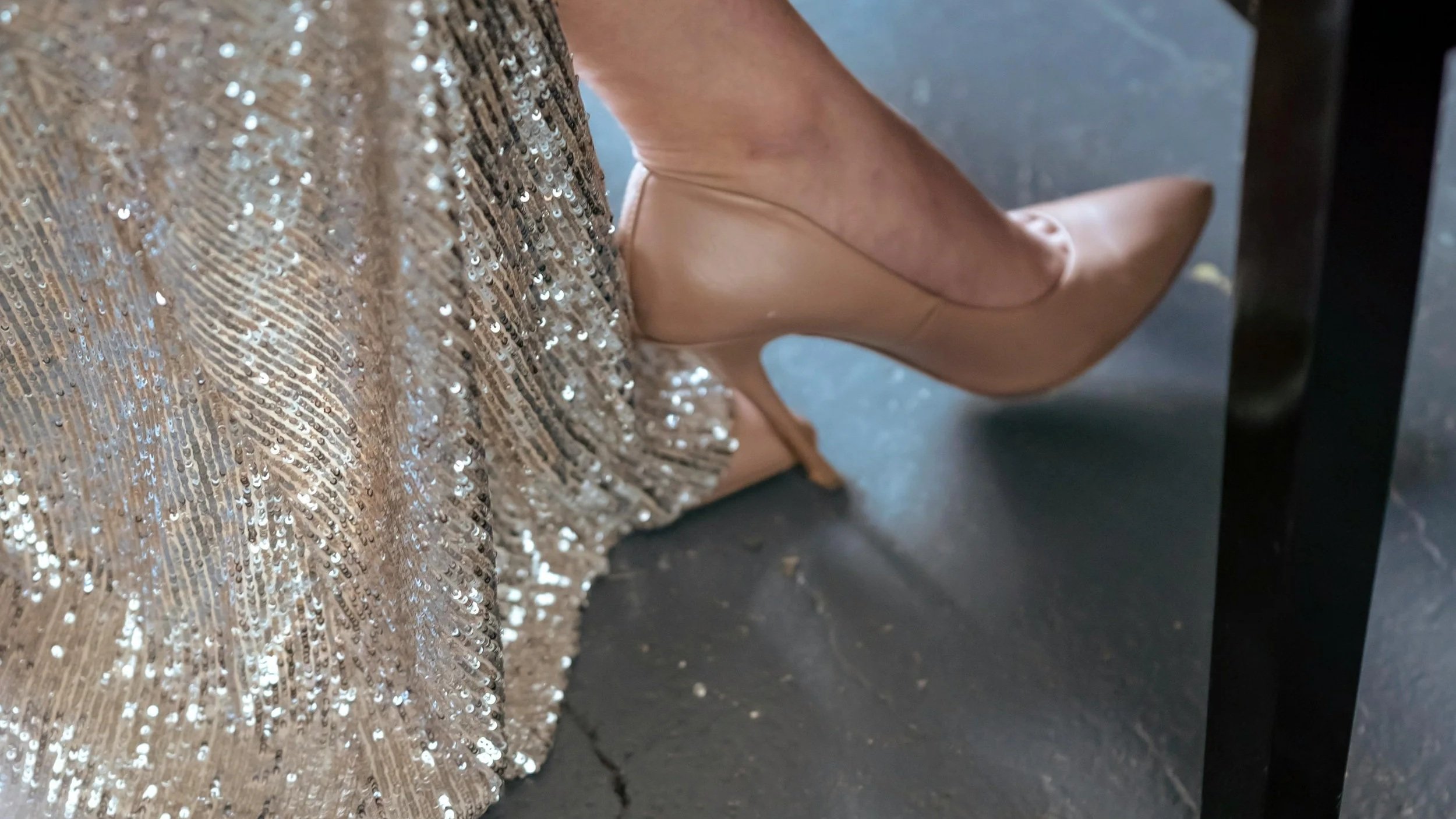
Step Four: Retire the Backup Sequin Strategy
You do not need a backup sequin strategy. Such as:
Three versions of the same black dress “just in case”
Shoes that hurt but “might break in”
A dress that requires a strategic undergarment plan
Midlife style should lower your cortisol — not raise it.
If you have to negotiate with a garment, it has already lost.
The Emotional Layer
Some pieces are harder. Not because they don’t fit, but because they represent a version of you. The dress from that romantic weekend trip, the jeans from the year you felt unstoppable, the jacket you wore when you gave the presentation that crushed. It’s okay to pause there.
But ask gently: Do I love this now? Or, do I love who I was when I wore it?
You don’t have to keep every piece of clothing to keep the woman you were.
Sometimes honoring her means making room for who you are becoming.
Your closet doesn’t need to be a museum of former identities.
It’s a working wardrobe for the woman standing in it today.
