
Midlife Sleep Changes: Why You’re Suddenly Wide Awake at 3 AM
And what your body might be trying to tell you.

There was a time when sleep felt effortless.
As a child, I would fall asleep under the soft canopy of my bed and sleep so deeply that when I woke the next morning, it felt as if no time had passed at all. I bounced out of bed ready for the day, my body restored without my ever thinking about how it happened.
Later, sleep became something I had to fight for.
There were years of building a career, carrying responsibility, and lying awake with a mind that wouldn’t turn off. Like many women, I learned how much pressure, ambition, and a full life can quietly erode rest.
Somewhere in my forties, I made a decision: nothing mattered more than a good night’s sleep. I built routines. I protected my evenings. I finally reached a place where sleep felt steady again.
And then, sometime in my fifties, something changed.
Now I wake up at 3 AM.
Not occasionally. Almost every night.
Sometimes I’m wide awake, my mind already thinking. Sometimes I feel calm but alert, as if my body has decided morning has come early. And like so many women in midlife, I found myself wondering:
Why is this happening — even when I’m doing everything right?
Midlife has a way of changing the rules — including the ones our bodies used to follow at night.
Many women think of this as a sleep problem. But in midlife, a 3 AM wake-up is often a signal from a larger system shift — changes in stress hormones, blood sugar regulation, and the way the body responds to daily demands.
Sleep is often the first place these changes show up.
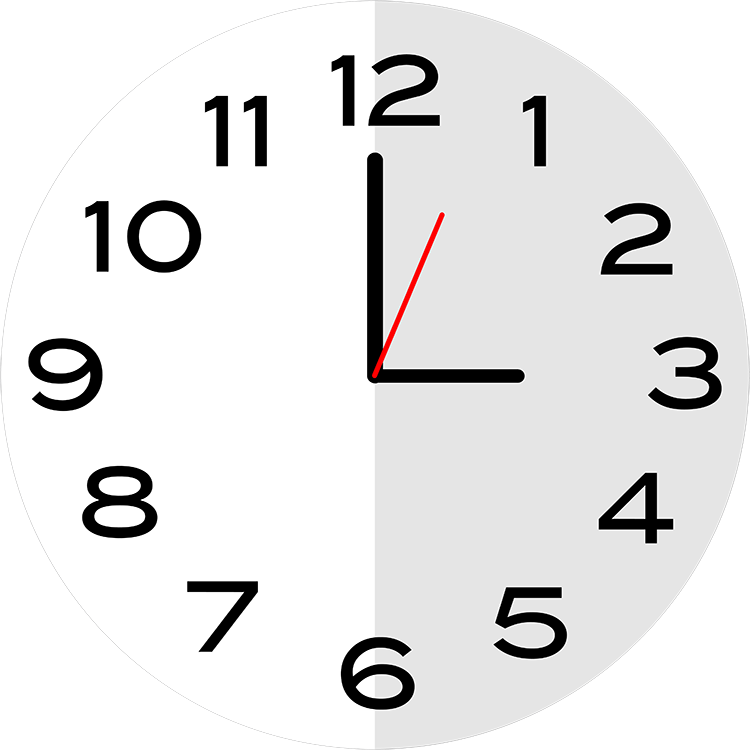
What Happens in Your Body Around 3 AM
Between about 2 and 4 AM, your body naturally begins preparing for morning.
✻ Cortisol starts to rise
✻ Blood sugar is regulated for the coming day
✻ Brain activity increases
✻ Body temperature begins to shift
In earlier years, estrogen and progesterone help buffer these changes. In midlife, that buffering becomes less reliable — even if you’re using hormone therapy.
The result?
The normal early-morning chemistry can become strong enough to cross your wake threshold.
That’s why the timing often feels so predictable.
Three Common Reasons Women Wake at 3 AM
If you’re waking regularly, pay attention to how you feel when you open your eyes. The feeling usually points to what’s driving it.
1. The Cortisol Wake-Up
You feel wired, alert, or mentally “on.”
Your mind may jump straight into:
✻ Planning
✻ Problem-solving
✻ Thinking about tomorrow
This is the most common midlife pattern.
As estrogen declines, your nervous system becomes more sensitive to cortisol. Instead of a gentle rise toward morning, you get an early activation signal.
This pattern is especially common in women who:
✻ Carry responsibility
✻ Are building something new
✻ Stay mentally engaged with their lives
This isn’t anxiety.
It’s early-morning activation.
This early activation is often a sign that your stress hormone rhythm has shifted — one of the most common physiological changes women experience after 40.
2. The Blood Sugar Wake-Up
You feel restless, slightly anxious, or hungry.
Overnight, your liver releases glucose. If levels dip too low, your body releases cortisol and adrenaline to bring them back up — and that surge wakes you.
Clues this may be happening:
✻ You fall back asleep after a small snack
✻ You wake with a racing heart
✻ You feel unusually hungry in the morning
This can happen even if you eat well during the day, especially if dinner is early, very light, or very low in carbohydrates.
3. The Hormone Transition Wake-Up
You wake calm but can’t stay asleep.
This pattern often appears:
✻ During perimenopause or early menopause
✻ When progesterone levels are low
✻ With night sweats or temperature changes
Progesterone supports the brain’s calming system. When levels drop, sleep becomes lighter and easier to interrupt.
How to Get Curious About Your Pattern
Instead of trying to fix everything at once, start with observation.
When you wake, ask yourself:
→ Do I feel wired or calm?
→ Am I hungry?
→ Do I feel anxious, or just awake?
→ Do I fall back asleep quickly?
Then experiment with a few gentle adjustments.
If you feel wired:
→ Get bright light within 30 minutes of waking
→ Keep a consistent wake time
→ Limit caffeine after late morning
If blood sugar may be involved:
→ Make sure dinner includes protein
→ Consider a small protein-and-carbohydrate snack before bed
If sleep feels lighter overall:
→ Review hormone timing with your provider
→ Keep nighttime routines consistent and calming
A Different Goal for Midlife Sleep
In your twenties, sleep often meant eight uninterrupted hours.
In midlife, a more realistic pattern is:
One brief wake-up
Returning to sleep within 10–20 minutes
Waking rested overall
That isn’t a failure.
It’s a nervous system that’s still working — just more sensitive than it used to be.

The Reframe
The 3 AM wake-up isn’t always a problem to eliminate.
Sometimes it’s information:
✻ Your cortisol rhythm needs anchoring
✻ Your system needs more overnight fuel
✻ Your hormones are shifting
✻ Your nervous system is running a little “on”
Midlife sleep isn’t about control.
It’s about learning the language your body speaks in the middle of the night — and responding with curiosity instead of frustration.
When Sleep Is the First Signal
For many women, waking at 3 AM isn’t an isolated issue.
It often shows up alongside other midlife changes, such as:
✻ The weight that won’t budge
✻ Feeling tired but wired
✻ Increased hunger or energy crashes
✻ A body that feels more reactive than it used to
These symptoms are often connected through the same underlying shifts in cortisol rhythm, muscle loss, and blood sugar regulation.
If this sounds familiar, you may want to explore the Midlife Body Reset series, which looks at the three systems that change most after 40 — and how small adjustments can help your body feel steady again.
